
Five-year fuel cost view
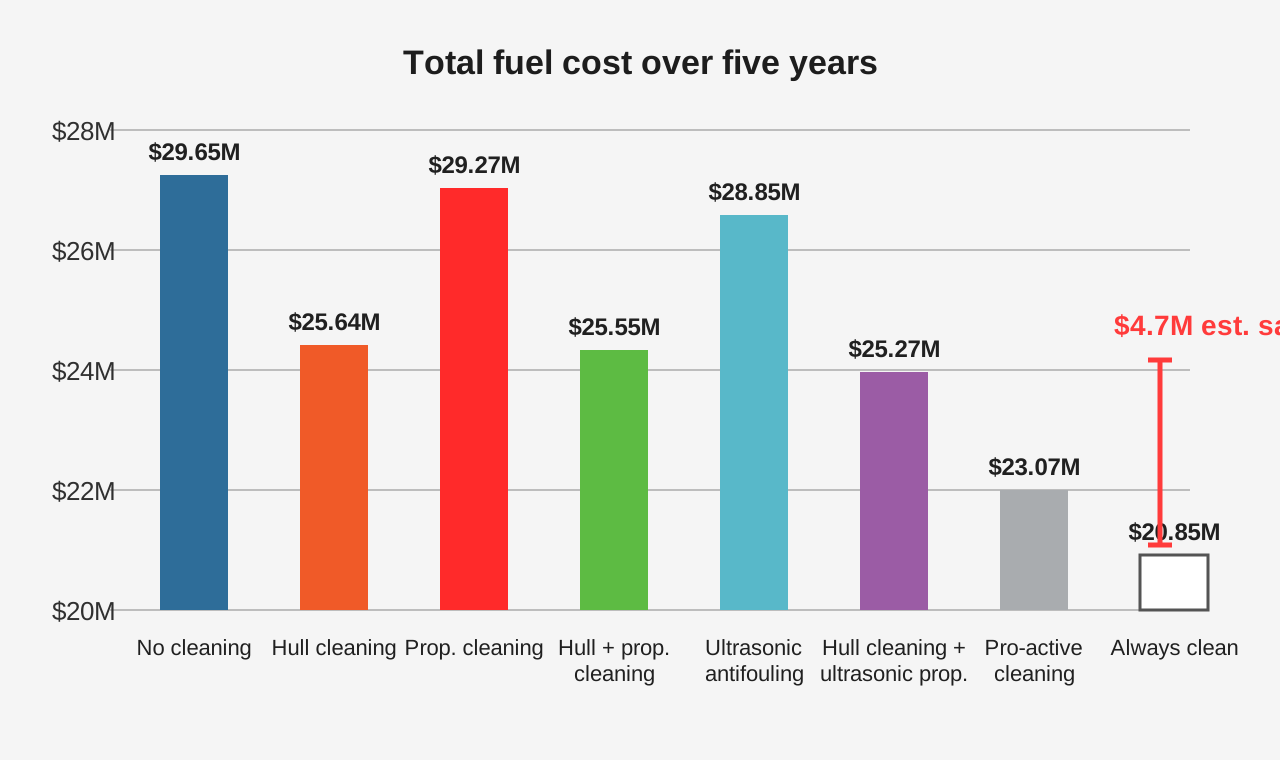
Five-year fuel-cost comparison showing why staying closer to an always-clean hull matters.
Image credit: GEF-UNDP-IMO GloFouling Partnerships Project (2022)
Impact and partners
The case for ZIMA is simple: cleaner hulls can mean lower fuel burn, less pressure for harsh intervention, and fewer opportunities for invasive transfer. Here is the operating case — and the support ecosystem already helping Subvision move toward pilots.
Why proactive maintenance matters
These reference graphics show why frequency matters. When fouling is allowed to build, cost and power demand rise. When the hull is kept closer to a clean baseline, the operating penalty stays lower.
Five-year fuel-cost comparison showing why staying closer to an always-clean hull matters.
Image credit: GEF-UNDP-IMO GloFouling Partnerships Project (2022)
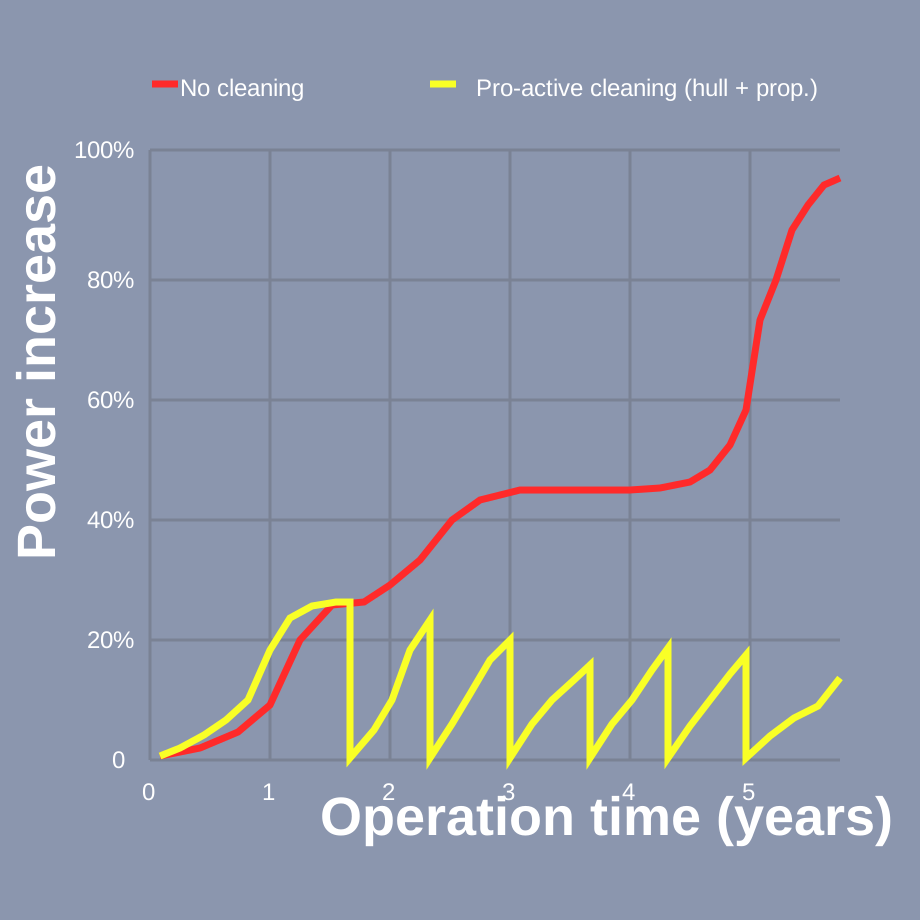
Power demand climbs as fouling builds. More frequent intervention keeps resetting the curve.
Image credit: GEF-UNDP-IMO GloFouling Partnerships Project (2022)
Try the maintenance rhythm
The same idea as the reference curves above, made interactive: the more often a hull returns to its clean baseline, the less time it spends paying the added power penalty.
Illustrative model inspired by the reference curves above. Not measured ZIMA performance.
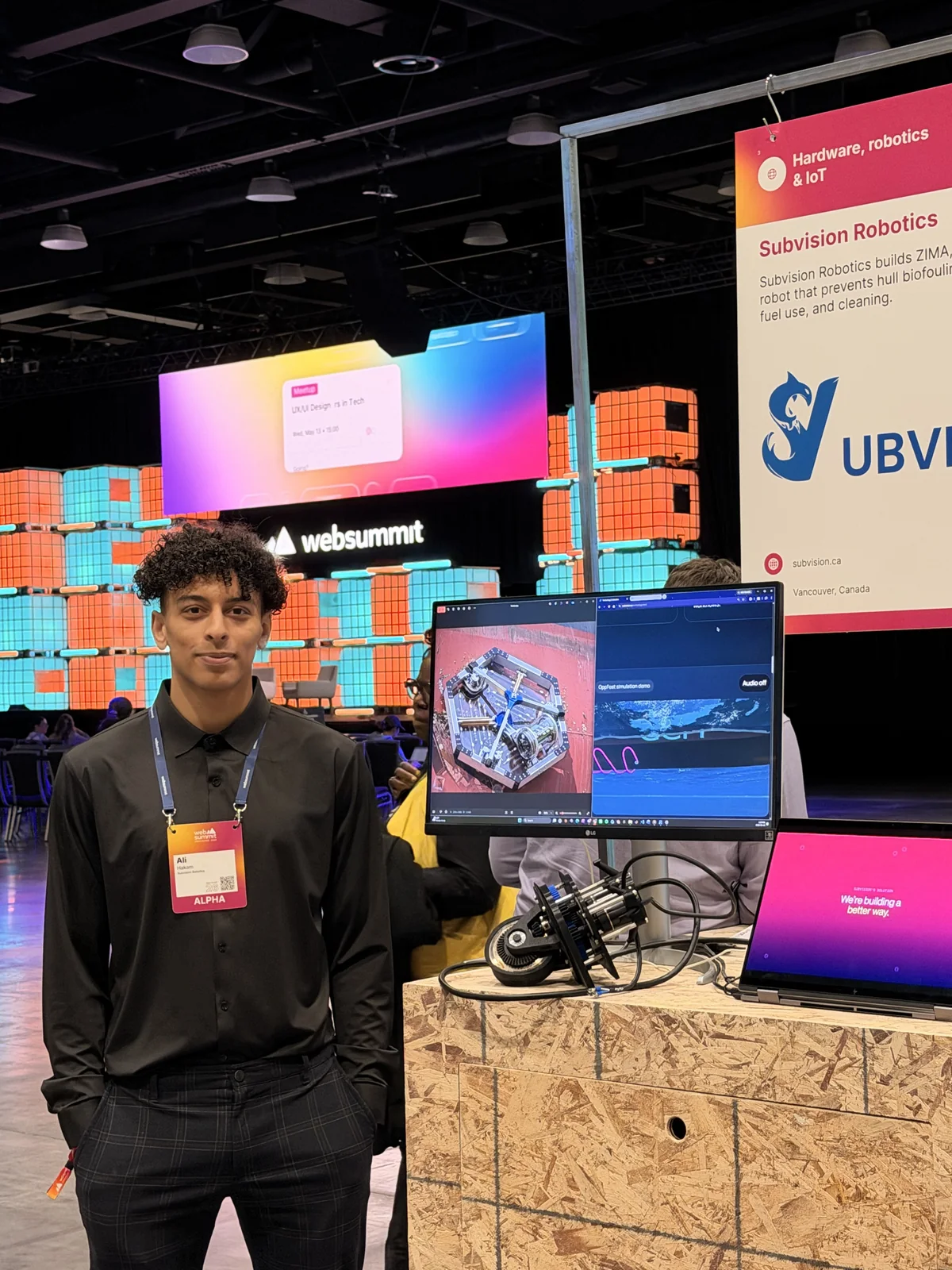

Event recap
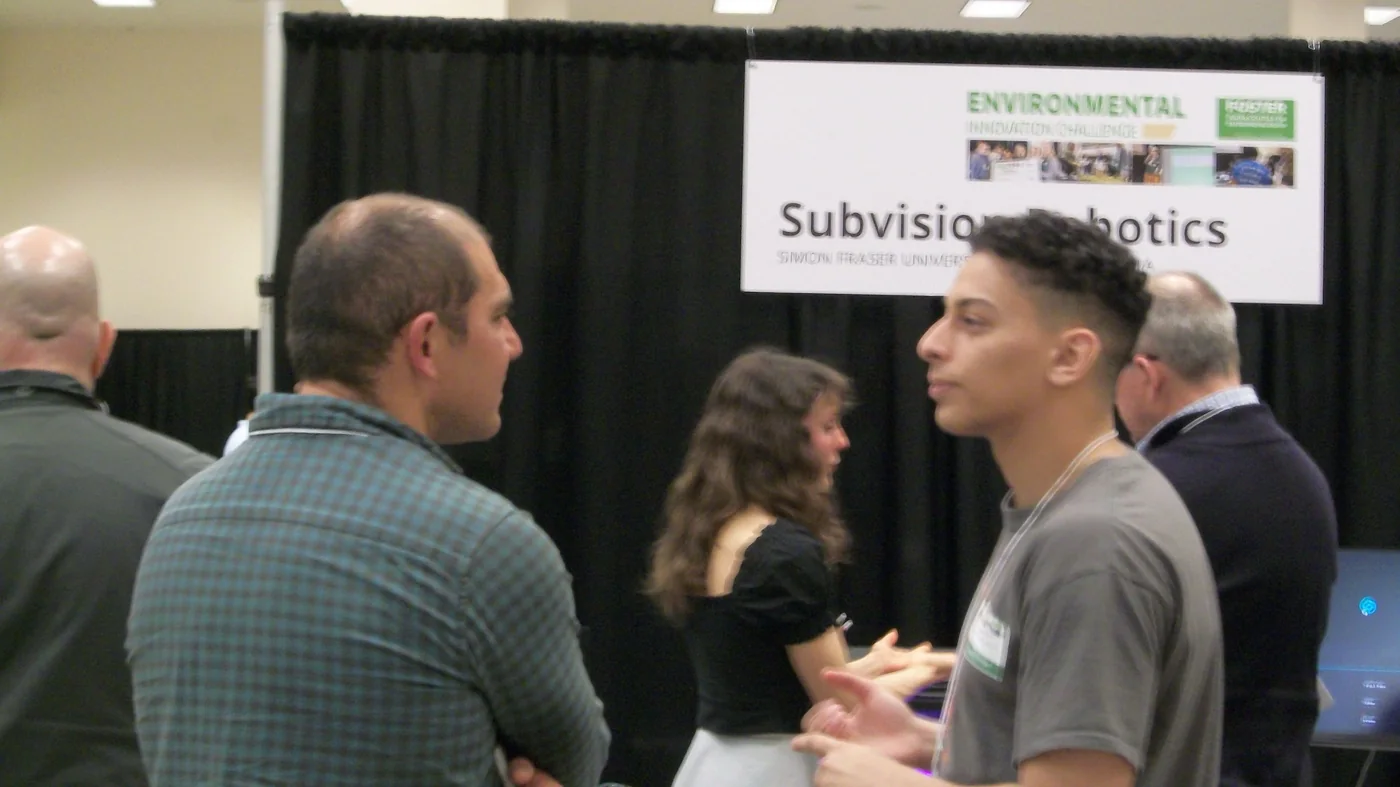
Subvision spent Web Summit week in Vancouver connecting with operators, partners, and supporters following the ZIMA program.
Featured support story
 Ocean Startup Project has been a major early validator for Subvision.
Support through Ocean Idea Challenge and Ocean Startup Challenge helped move Subvision from early concept work into a stronger venture and prototype path.
Partner ecosystem
Early venture and program support that helped turn concept work into a stronger company path.
Non-dilutive backing that supported the venture-building side of the program.
Technical backing that strengthened the prototype program and the engineering base behind it.
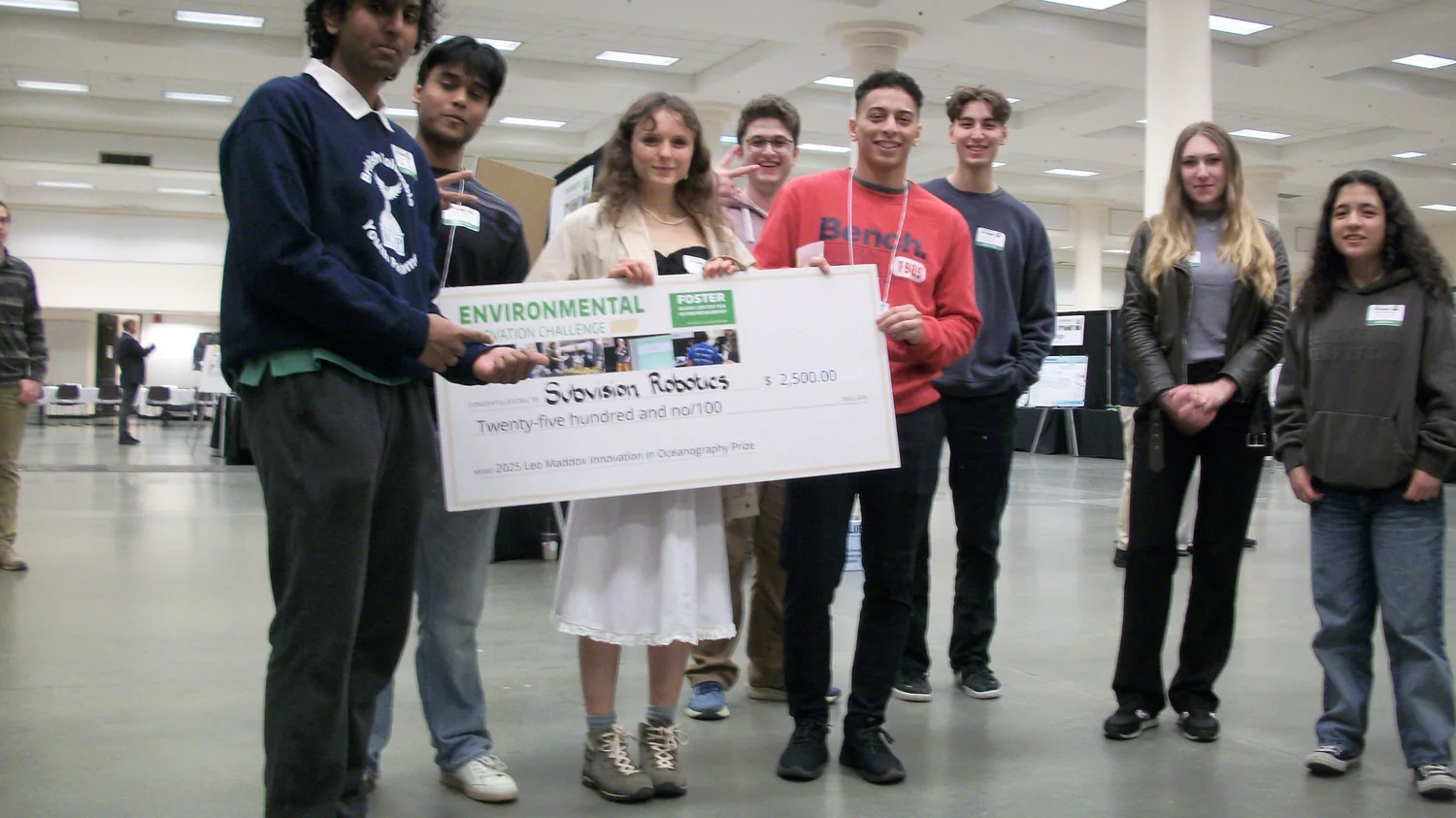
Public recognition that reinforced the project’s environmental relevance and visibility.

Community support that helped the team grow, build, and showcase the system.
A public showcase moment that validated how the project lands in entrepreneurial settings.
Get involved
Subvision is looking for support that moves the product forward in real ways: technical collaboration, test access, pilot planning, and market entry.