
1 minute animation
A one-minute look at ZIMA, how it moves across the hull, and why prevention matters more than reactive cleaning.
Prevention-first hull maintenance
Subvision is building ZIMA, a hull-climbing subsea rover designed to prevent early-stage biofouling on commercial ship hulls. Instead of waiting for buildup and cleaning later, ZIMA is built to keep hulls cleaner through short, repeatable maintenance passes.
A one-minute look at ZIMA, how it moves across the hull, and why prevention matters more than reactive cleaning.
Prototype footage
A close look at the prototype during a supervised shoreline trial.
A close look at the ZIMA prototype during a shoreline trial.
Why this matters
Hull condition is not just a maintenance issue. It affects vessel efficiency, coating life, emissions, and ecosystem risk at the same time. Subvision’s approach is to intervene early, so operators need less aggressive action later.
Our journey
The progression matters because it shows how the team works: build, test, learn, and tighten the system with each iteration.
Close-up work on the rover's drive hardware before the shoreline trial.
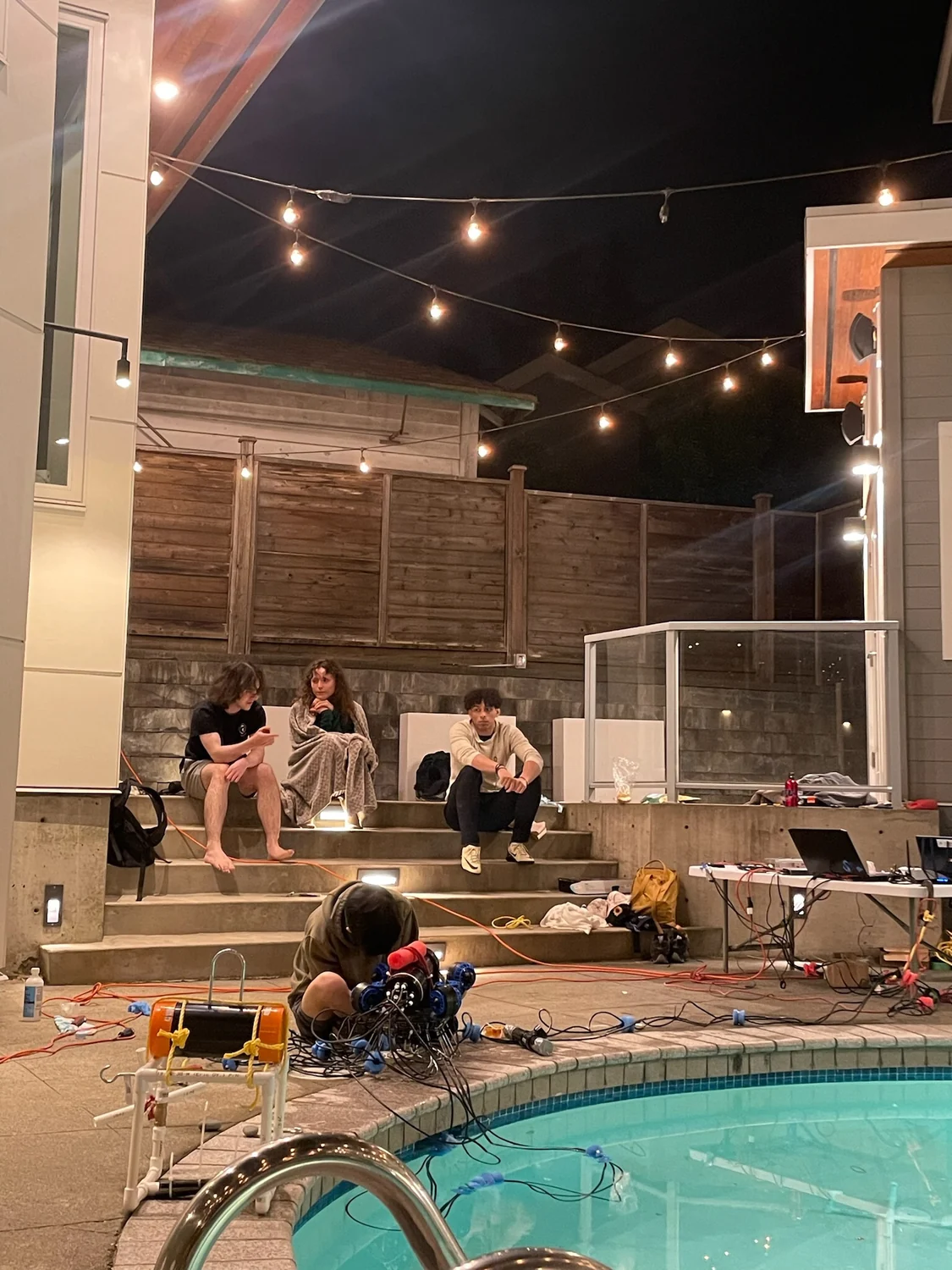
Early hands-on exploration of underwater robotics.
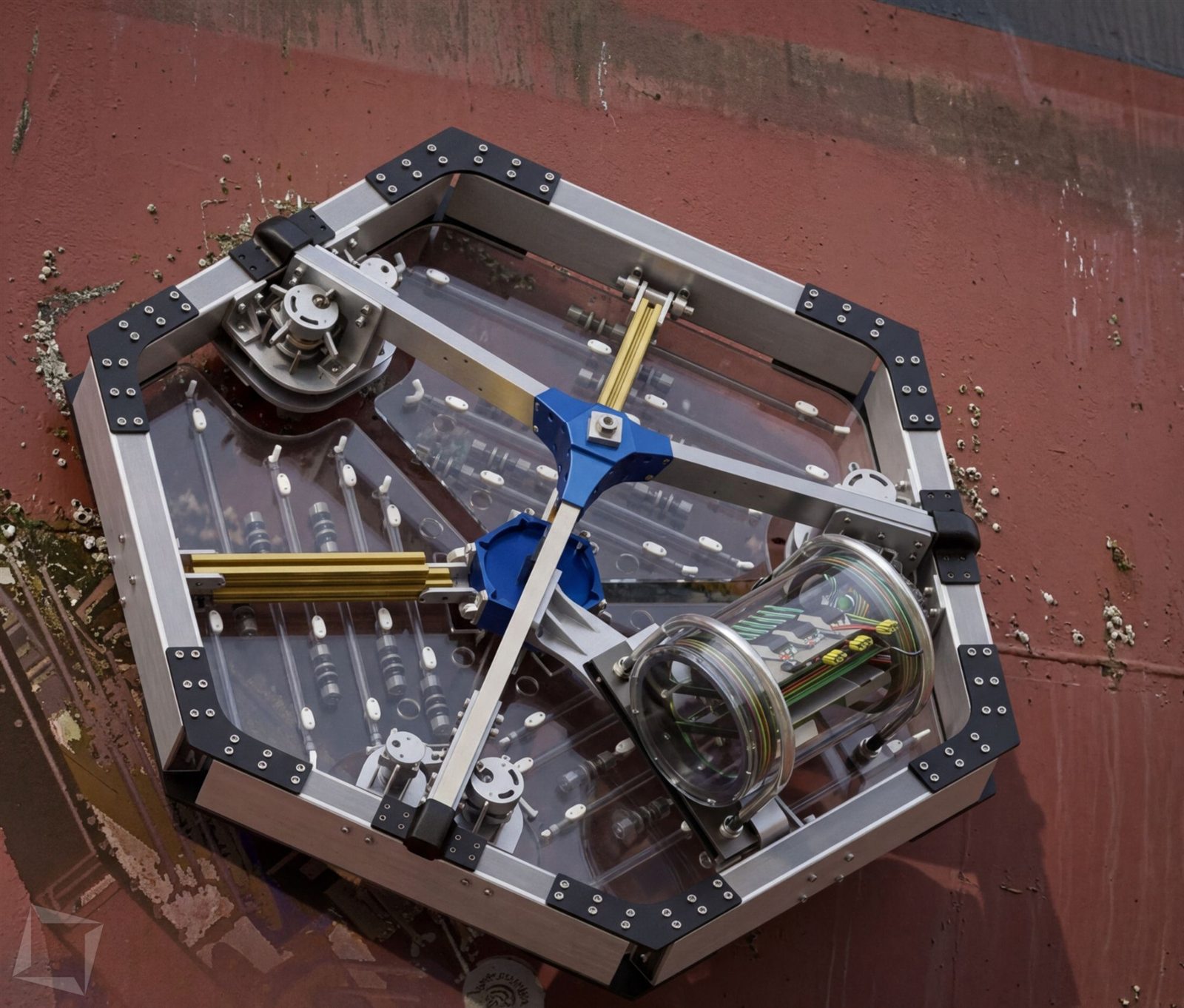
Render of the current ZIMA direction, showing the rover layout and treatment architecture on the hull.
Preparing and lowering the rebuilt prototype into the water for a supervised shoreline trial.
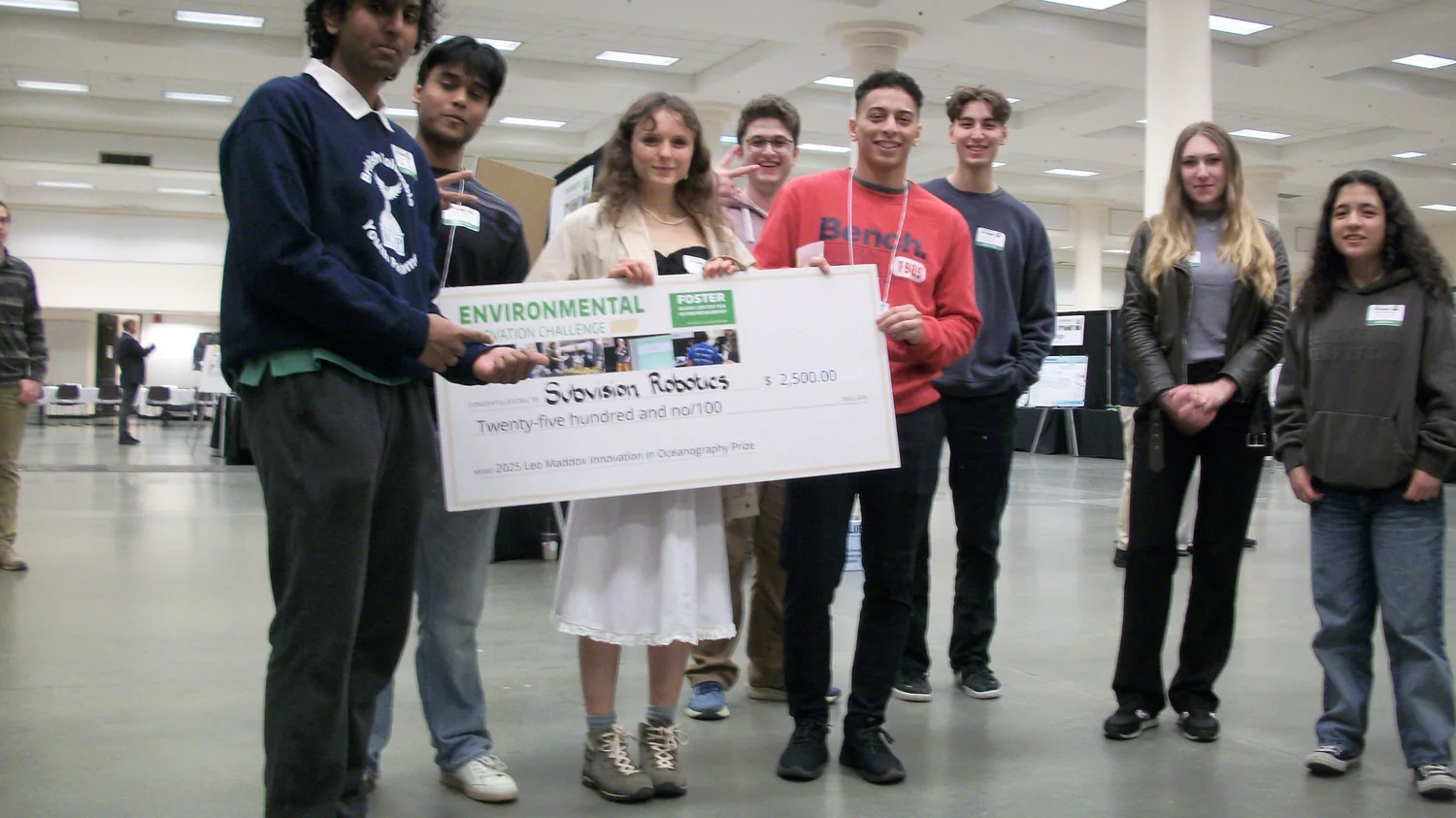
External support and public validation helped move the project from student build to venture-ready system.
Machining and assembly
Workbench assembly, plus Dennis finishing a component with a Dremel by the stairs.
Hands-on work on the electronics housing and connections before a water trial.
Simulation demo
Early simulation work exploring ZIMA's motion, pathing, and system behavior alongside the physical build.
Early simulation of ZIMA’s motion and pathing. Real-world passes would use tighter, more closely spaced patterns.
Funding sourced
Total funding sourced across public programs, institutional backing, and awards.
 $32K
Ocean Startup Project support through Ocean Idea Challenge and Ocean Startup Challenge.
$32K
Ocean Startup Project support through Ocean Idea Challenge and Ocean Startup Challenge.
 $6K
SFU Engineering Student Society support that helped back the team during early prototype development.
$6K
SFU Engineering Student Society support that helped back the team during early prototype development.
 $13.5K
Supported by the Chang Institute in building the business behind the technology.
$13.5K
Supported by the Chang Institute in building the business behind the technology.
 $1K
SFU OppFest prize support that added early validation and showcase visibility.
$1K
SFU OppFest prize support that added early validation and showcase visibility.
 $3.5K
Leo Maddox Prize through the Environmental Innovation Challenge, recognizing the project's ocean and environmental relevance.
$3.5K
Leo Maddox Prize through the Environmental Innovation Challenge, recognizing the project's ocean and environmental relevance.
Partner conversations
Subvision is looking for technical collaborators, pilot partners, and operators who want a better path to keeping hulls clean over time.